
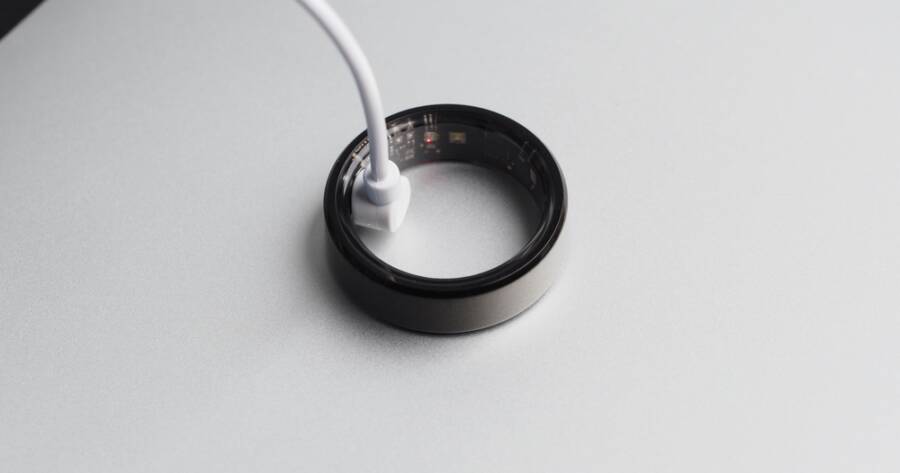
Health tracking technology is becoming smaller, smarter, and more discreet. Smart rings are a growing example of the shift, offering advanced health insights in a compact, wearable form. Designed to track sleep, heart rate, activity, and recovery, modern smart rings collect valuable data without disrupting daily routines. Their subtle design and continuous monitoring appeal to users who want meaningful wellness insights without bulky devices or constant interaction.
Small Device, Big Capabilities
Smart rings may look like simple jewelry, but they pack impressive technology into a compact form. Most models can track heart rate, sleep patterns, physical activity, and even stress levels. Thanks to advanced sensors, they gather accurate data throughout the day and night without needing much attention from the user.
These rings are especially useful for people who want a low-profile option. Unlike watches or fitness bands, smart rings don’t call attention to themselves. This makes them ideal for formal settings, workouts, and even sleep. The ring does its job quietly, while the data it collects syncs with your phone or health app in the background.
Comfortable Enough for All-Day Wear
One reason smart rings are gaining popularity is their comfort. Their small size and smooth design make them easy to wear for long periods, even during sleep. Because they don’t have screens or buttons, they feel like a natural part of your hand.
This comfort is important for health tracking, especially when it comes to sleep monitoring. Many users report that wearing a ring overnight is less disruptive than wearing a watch. Some rings even offer gentle vibration alerts or smart alarms to help users wake up at the ideal moment in their sleep cycle.
A New Approach to Wellness Tracking
Smart rings encourage a more thoughtful approach to health. Many models focus on measuring readiness, recovery, and stress rather than just counting steps. Instead of pushing users to always be active, these rings often suggest rest and recovery when needed. This supports a more balanced view of wellness.
The health data collected by smart rings often includes heart rate variability (HRV), skin temperature, and blood oxygen levels. Over time, these readings can offer helpful insights into long-term patterns. For instance, users may spot early signs of illness, burnout, or poor sleep habits before they become bigger issues.
In this way, smart rings become more than just fitness tools—they act as daily wellness companions. Their ability to collect continuous, passive data means users can focus on their routines while the ring does the tracking automatically.
Syncing Seamlessly with Your Digital Life
Smart rings are designed to work well with smartphones and wellness platforms. Most come with easy-to-use apps that display health trends, sleep quality, and fitness scores. Some even sync with Apple Health, Google Fit, or other digital health services.
Because the data is easy to access and understand, users can make quick, informed decisions about their habits. Whether it’s deciding to go for a walk, drink more water, or get more rest, the feedback from the ring helps guide healthier choices throughout the day.
In some cases, smart rings also support fitness challenges or group goals. Users can share progress with friends or compare trends over time. While this isn’t the main focus of the technology, it adds a social and motivational element that many find helpful.
Looking Ahead: More Than a Trend
As technology improves, smart rings will likely become even more powerful. Some companies are already testing new features like blood pressure tracking or real-time hydration levels. Others are working to integrate smart rings with digital IDs, contactless payments, and personal security systems.
Though smart rings are still a relatively new category, their rapid rise shows how much people value simple, effective tools for personal health. Their combination of comfort, data accuracy, and sleek design gives them a strong advantage over bulkier wearables.
A Smarter Way to Stay Healthy
Smart rings represent a new generation of health tracking that prioritizes comfort, consistency, and long-term insight. By collecting passive data around the clock, they help users understand patterns related to sleep quality, stress, recovery, and overall wellness. This information supports more informed decisions, encouraging balance rather than constant activity, which can be especially valuable for preventing burnout and supporting recovery.
As technology continues to advance, smart rings are likely to expand beyond fitness tracking into broader areas of daily life. Their discreet design, seamless app integration, and growing feature sets make them appealing to a wide range of users. For anyone seeking a low-effort way to stay connected to personal health trends, smart rings offer a practical, forward-looking solution that fits naturally into everyday life.