
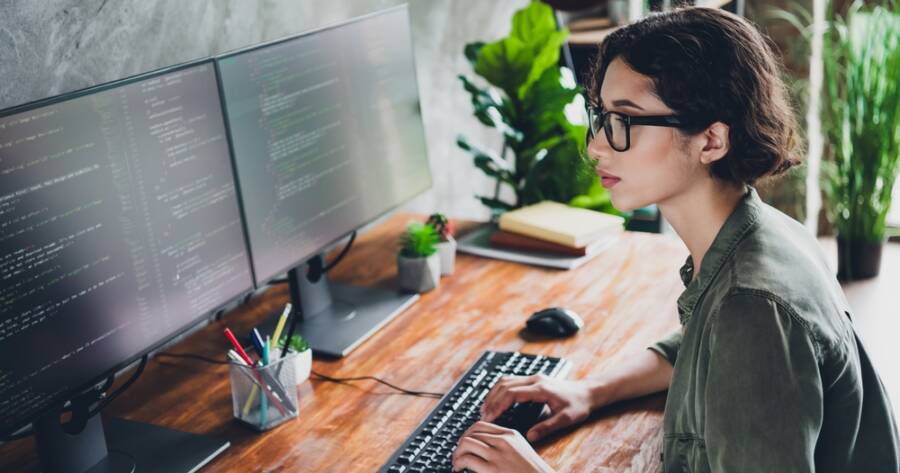
Modern work often demands juggling emails, documents, meetings, and research all at once. Limited screen space can slow progress and break concentration throughout the day. Adding a second monitor expands the digital workspace, allowing tasks to flow more smoothly and efficiently. With more room to view information at a glance, professionals, students, and remote workers can stay organized, reduce distractions, and complete work faster without constantly switching between windows.
Better Multitasking with More Screen Space
A single screen can feel crowded when multiple programs are open. With a second monitor, you can keep several windows open side by side. For example, you might write a report on one screen while reviewing data or research on the other. This setup reduces the need to switch between tabs and helps keep your focus where it belongs.
Many people who work with spreadsheets, coding software, or graphic design tools find this especially helpful. It’s much easier to work on a project while referencing another document, without having to constantly minimize or resize windows. The more time you spend jumping between apps, the less time you spend actually completing tasks.
Smoother Communication and Collaboration
When you’re in meetings or video calls, a second screen can be a major help. You can keep your video call open on one monitor while taking notes or referencing files on the other. This means you won’t miss important details while trying to juggle different programs on one small screen.
Remote teams especially benefit from this setup. If you often use chat apps like Slack, Teams, or Zoom, a second monitor lets you stay connected without disrupting your main work. You can answer a message or check a calendar invite without stopping your workflow.
Improved Focus and Fewer Errors
Switching back and forth between applications takes time and breaks concentration. With two monitors, you can reduce these small breaks in focus. This can lead to fewer mistakes, especially when working with detailed data or writing complex documents.
Writers, developers, and accountants often find that dual screens help them avoid errors. One screen can show the work in progress, while the other shows the source material or checklist. This setup makes it easier to catch mistakes and complete work correctly the first time.
Easier Project Management
When managing tasks, deadlines, and team responsibilities, keeping everything organized is key. A second monitor can display your task manager, calendar, or project board while your main screen holds your working documents. This makes it easier to track progress and stay on top of your schedule.
Graphic designers, marketers, and software engineers often work with project tools like Trello, Asana, or Jira. These tools are more useful when always visible, and a second screen makes that possible. It becomes much easier to stay aligned with goals and timelines when the tools you need are always within sight.
Reduces the Need to Print
Another benefit of using two screens is that it may help reduce the need to print documents. If you often print files just to reference them while working on your computer, a second screen offers a more eco-friendly and space-saving solution. You can display reference materials on one monitor and complete your work on the other.
This is especially useful for editors, students, or anyone who reviews contracts or manuals. Being able to view and edit at the same time without flipping pages or switching tabs can lead to faster, more accurate work.
Minor Setup, Major Benefits
Setting up a second monitor usually takes just a few minutes. Most laptops and desktops today support dual-screen use with a simple cable or dock. Once connected, your computer can be set to extend your display, allowing both monitors to work together as one larger workspace.
Once people try it, many wonder how they ever worked without it. The added comfort and speed are hard to ignore. If you’re looking to boost productivity, this small change can deliver big results.
Unlock Your Full Work Potential
A second monitor offers more than just extra screen space—it supports better focus, smoother multitasking, and improved accuracy across many types of work. By keeping important tools, documents, and communication visible at the same time, users can reduce interruptions and maintain momentum throughout the day. Fewer tab switches and less window juggling often lead to faster task completion and fewer mistakes, especially during complex or detail-heavy projects.
For anyone looking to improve productivity without overhauling an entire workspace, adding another screen is a practical upgrade. Setup is simple, costs are increasingly affordable, and the benefits are felt almost immediately. From managing projects to collaborating with teams or studying efficiently, a dual-monitor setup helps work feel more organized and less stressful. One additional screen can unlock a more efficient, comfortable, and productive daily routine.