
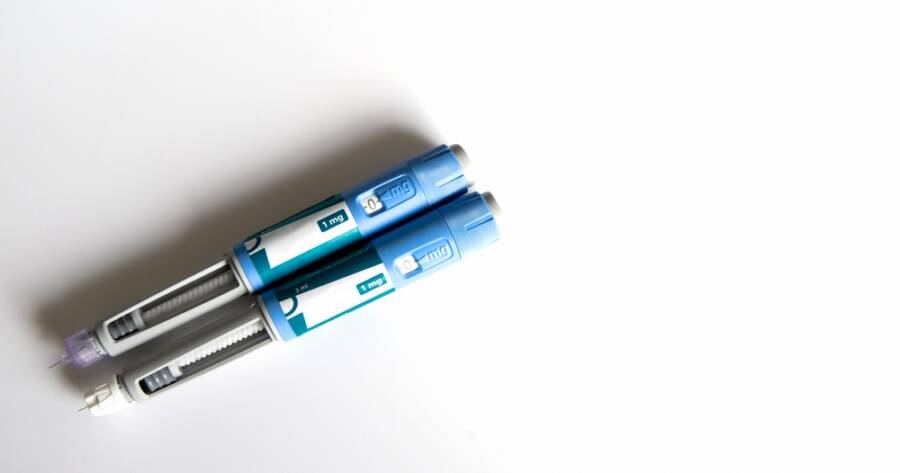
GLP-1 weight loss medications, originally designed for Type 2 diabetes management, have emerged as effective tools for appetite regulation and weight reduction. With options like Semaglutide and Tirzepatide available, key medications offer flexibility in administration. If you’re considering the GLP-1 approach, it’s important to understand the benefits, potential side effects, and the importance of lifestyle integration.
Understanding GLP-1 Weight Loss Medications
GLP-1 agonists are a class of medications initially developed to manage Type 2 diabetes but have gained popularity for their effectiveness in promoting weight loss. These medications mimic the naturally occurring GLP-1 hormone, which plays a crucial role in regulating appetite, slowing digestion, and improving insulin function. As a result, they help individuals feel fuller for longer periods, reducing overall calorie intake (source).
Popular GLP-1 Brands for Weight Loss
The U.S. market offers several GLP-1 medications, including:
Wegovy (Semaglutide)
Wegovy is a prescription medication that contains semaglutide and is specifically approved in the United States for chronic weight management in certain adults and adolescents (source). It is administered as a once-weekly injection using a prefilled pen, which many patients find convenient compared with medications that require daily dosing. Wegovy works by mimicking the GLP-1 hormone, helping regulate appetite and food intake by acting on areas of the brain involved in hunger and satiety.
This medication is typically prescribed alongside lifestyle changes such as diet and physical activity. Doctors may recommend it for individuals who meet specific body mass index (BMI) criteria or who have weight-related health conditions. Because dosing is gradually increased over time, patients usually follow a step-up schedule to help reduce potential gastrointestinal side effects and allow the body to adjust to the medication.
Ozempic (Semaglutide)
Ozempic also contains semaglutide but is primarily approved for the treatment of type 2 diabetes rather than weight loss. Like Wegovy, it is given as a once-weekly injection. In clinical practice, the medication helps improve blood sugar control by stimulating insulin release when blood glucose levels are elevated and by slowing stomach emptying.
Although Ozempic is designed for diabetes management, some patients taking it may experience weight loss as a secondary effect. Because of this, the medication has received attention beyond its original purpose. However, healthcare providers generally prescribe Ozempic specifically for diabetes treatment, while Wegovy is the semaglutide formulation approved for weight management.
Zepbound (Tirzepatide)
Zepbound is a newer medication that contains tirzepatide and is approved in the United States for weight management in certain adults with obesity or overweight conditions. It is administered as a once-weekly injection using a prefilled pen. Tirzepatide works by targeting two hormone pathways involved in appetite and metabolism, which may influence feelings of fullness and help regulate food intake (source).
As with other medications in this category, Zepbound is intended to be used together with lifestyle changes such as dietary adjustments and increased physical activity. Treatment typically begins with a lower dose that is gradually increased over time. This approach allows patients and healthcare providers to monitor tolerance and adjust the treatment plan if necessary.
Saxenda (Liraglutide)
Saxenda contains liraglutide and is another GLP-1 receptor agonist approved for weight management in certain patients. Unlike the weekly injection schedules used by some newer medications, Saxenda is administered as a once-daily injection using a prefilled pen device. The medication works by influencing appetite signals in the brain, which can help people feel fuller and reduce overall calorie intake.
Saxenda has been available for weight management for several years and is often prescribed as part of a broader treatment plan that includes dietary guidance and physical activity. Because it requires daily administration, some patients may prefer other options with less frequent dosing, while others may respond well to the medication depending on their individual health profile and physician recommendations (source).
Eligibility and Administration
GLP-1 medications are typically prescribed for adults with a Body Mass Index (BMI) of 30 or higher, or a BMI of 27 or higher with weight-related health conditions such as Type 2 diabetes or high blood pressure (source).
These medications are generally administered as once-weekly injections, although some, like Semaglutide, offer a daily oral option. A thorough medical history review is essential to determine eligibility and ensure the safe use of these medications.
Potential Benefits and Side Effects
Beyond weight loss, GLP-1 medications may offer additional health benefits, such as lowering blood pressure, improving lipid profiles, and reducing the risk of heart and kidney diseases. However, they are not without side effects.
Common side effects include nausea, vomiting, diarrhea, and constipation, particularly when starting the medication or increasing the dose. More severe but rare side effects can include pancreatitis and thyroid cancer (source).
Long-term Use and Considerations
Long-term use of GLP-1 medications is often necessary to maintain weight loss. Discontinuing the medication can lead to significant weight regain, similar to the rebound effect seen with other chronic condition treatments.
Therefore, it is crucial to combine these medications with healthy lifestyle changes, such as a balanced diet and regular physical activity, to maximize their effectiveness and sustain weight loss (source).
Why You Should Learn More About GLP-1 Weight Loss
GLP-1 medications represent a promising option for individuals struggling with obesity and related health conditions. Their ability to regulate appetite and improve metabolic health makes them a valuable tool in the fight against obesity.
However, understanding the potential benefits and risks, as well as the importance of integrating these medications with lifestyle changes, is crucial for achieving long-term success. As research continues to evolve, staying informed about the latest developments in GLP-1 treatments can empower individuals to make informed decisions about their weight management strategies.