
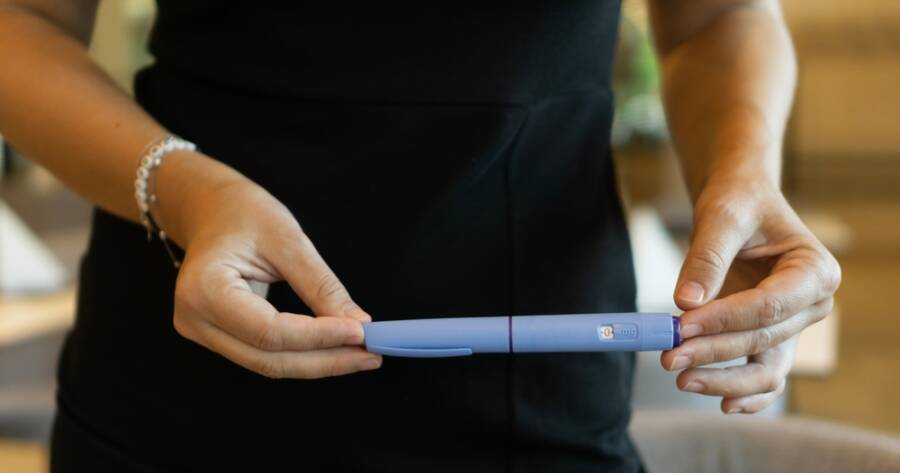
GLP-1 receptor agonists, including semaglutide and tirzepatide, are revolutionizing the management of obesity and type 2 diabetes. Despite their effectiveness, high costs limit accessibility for many. Exploring affordable options, understanding insurance challenges, and staying informed about future prospects are essential for those seeking transformative treatments. Understand how key factors shape the landscape of GLP-1 therapies.
Understanding GLP-1 Treatments
GLP-1 receptor agonists, such as semaglutide and tirzepatide, have emerged as effective treatments for managing obesity and type 2 diabetes. These medications, marketed under brand names like Ozempic and Wegovy, work by mimicking the hormone GLP-1 to regulate blood sugar and appetite.
Despite their effectiveness, the high cost of these drugs remains a significant barrier for many patients. Insurance coverage and discount programs can help reduce costs, but these medications are still often out of reach for many Americans (source).
Affordable Options for GLP-1 Treatment
Several options are available for those seeking more affordable GLP-1 treatments. Telehealth clinics offer compounded versions of these medications at lower prices, with some starting as low as $129 per month (source). For instance, Peak Wellness provides compounded semaglutide with transparent pricing and licensed healthcare provider oversight, without requiring insurance.
Additionally, Walgreens offers GLP-1 agonist medications for weight loss, with initial video visits priced at $49 and follow-up visits at the same rate. The cost of GLP-1 medications through Walgreens starts at $149 per month, with special introductory offers available through April 2026 (source).
Insurance and Coverage Challenges
Insurance coverage for GLP-1 medications is limited, with only 19% of large employer plans offering coverage in 2025 (source). This limitation makes it challenging for many patients to access these treatments through traditional insurance channels.
However, some programs, like the Wegovy Savings offer, allow eligible patients to pay as little as $25 per month for a 28-day supply, with maximum savings of $100 per month. This offer is available until April 15, 2026, after which the cost will increase (source).
Safety and Efficacy of GLP-1 Medications
GLP-1 medications have been used in the treatment of type 2 diabetes for roughly two decades, providing a growing body of clinical experience with this class of drugs. The first GLP-1 receptor agonist was approved in 2005, and several newer medications have since been developed that work through the same biological mechanism. Because these drugs have been prescribed for diabetes for many years, physicians and researchers have accumulated substantial information about their effects, common side effects, and appropriate use in clinical practice.
However, it is important to note that not all GLP-1 medications have the same length of safety history. While the drug class itself has been studied for about 20 years, some of the newer treatments now used for diabetes or weight management were introduced more recently and therefore have shorter real-world safety records. As a result, the overall safety profile of GLP-1 therapies continues to be evaluated as more long-term data from patients and clinical use becomes available.
Patients should be aware of potential side effects, including nausea, diarrhea, and abdominal pain. Those with a history of certain medical conditions, such as thyroid cancer, should avoid these medications. Regular monitoring and lab tests are recommended to ensure treatment safety and effectiveness (source).
Future Prospects for GLP-1 Treatments
The cost of GLP-1 medications is expected to decrease with potential changes in insurance coverage, including Medicare, and the development of pill-based forms, which could increase competition and drive down prices. Ongoing research and potential Medicare drug price negotiations may lead to price reductions, although current estimates suggest these cuts may not be sufficient for achieving true cost-effectiveness (source).
Why You Should Learn More About Affordable GLP-1 Treatment
Understanding the landscape of GLP-1 treatments is crucial for those managing obesity and type 2 diabetes. With the high cost of these medications posing a barrier, exploring affordable options and staying informed about insurance coverage changes can make a significant difference.
As research continues to evolve, the potential for more cost-effective solutions grows, offering hope for broader accessibility. By staying informed, patients can make educated decisions about their treatment options and improve their health outcomes.