
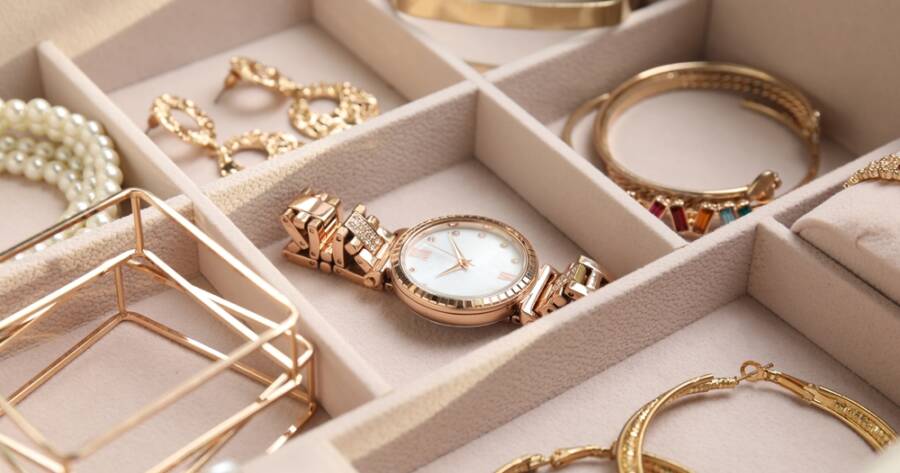
Jewelry often represents far more than financial value, holding deep emotional meaning tied to milestones, relationships, and personal history. Rings, necklaces, and heirlooms can be difficult to replace if lost, stolen, or damaged. Fortunately, jewelry insurance offers a layer of protection that standard policies may not fully provide. Understanding how coverage works helps owners decide whether insuring valuable pieces is a practical and worthwhile step.
Understanding What Jewelry Insurance Covers
Jewelry insurance is designed to protect against loss, theft, or damage. While standard homeowners or renters insurance may offer limited protection, it usually caps payouts and often doesn’t cover all risks. A dedicated jewelry insurance policy fills these gaps.
Many of these policies cover a wide range of scenarios. For example, if a ring slips off while swimming, or a bracelet is lost during travel, your coverage may apply. Some policies even protect against mysterious disappearance—when the item goes missing without a clear cause. Coverage often includes repair or full replacement, depending on the provider and the item’s appraised value.
The Role of Appraisals and Documentation
Accurate documentation is the foundation of reliable jewelry coverage. Most insurers require a detailed appraisal, especially for high-value pieces. This appraisal should describe the materials, stones, and craftsmanship, and must come from a certified expert.
Photographs, receipts, and grading reports from organizations like the Gemological Institute of America (GIA) also help. The more proof you have, the easier it will be to file a claim and receive appropriate compensation. Keep records up to date, especially if the market value of your piece changes over time. An outdated appraisal can lead to a lower payout.
Choosing Between Standalone Policies and Riders
You have two main ways to insure your jewelry: through a rider on your homeowners or renters policy, or through a standalone policy. A rider—sometimes called a scheduled personal property endorsement—adds specific coverage for your items. However, it’s still tied to your overall policy and may be subject to your home insurance’s limits and deductibles.
Standalone policies often offer more specialized protection. These plans are designed for jewelry and may cover more situations with fewer restrictions. Many also offer worldwide coverage, which is helpful for people who travel often with their valuables. Choosing the right option depends on your needs, how much jewelry you own, and how often you wear or transport your pieces.
What Happens When You File a Claim?
The claims process usually begins with reporting the loss or damage to the insurer. You may need to submit a police report, proof of ownership, and photos. Once the insurance company reviews your documents, they assess the claim and determines compensation. In many cases, they’ll work with jewelers to repair or replace the item.
Timely reporting and organized documentation can make this process smoother. Some insurers even offer cash settlements, while others prefer replacement through specific jewelers. Be sure to understand your insurer’s policies before signing up. You should also ask about how claims affect your premium—some providers offer claim forgiveness, while others raise rates.
Additional Protection for Heirlooms and Custom Pieces
If you have inherited or custom-designed jewelry, insurance becomes even more important. These one-of-a-kind items can be difficult—or impossible—to replace. In these cases, documentation is especially critical. Ask for a detailed appraisal that includes craftsmanship and historical value.
You may also want to discuss agreed value coverage with your insurer. This type of policy guarantees a specific payout, regardless of current market value. It’s often a better fit for heirlooms, which may have sentimental or historical worth that fluctuates over time.
Protecting What Matters Most
Jewelry insurance provides reassurance that valuable and meaningful pieces are protected against unexpected events. From everyday wear to travel mishaps, coverage helps ensure that loss or damage does not result in permanent hardship. With proper appraisals, documentation, and the right policy structure, jewelry owners can feel confident knowing repair or replacement options are available when needed.
Deciding whether coverage is necessary depends on both financial and emotional considerations. Items with high replacement costs, sentimental importance, or unique craftsmanship often benefit most from dedicated protection. Evaluating how often pieces are worn, where they are stored, and how difficult they would be to replace can guide the decision. With thoughtful planning, jewelry insurance becomes a reliable safeguard for preserving personal treasures and peace of mind.